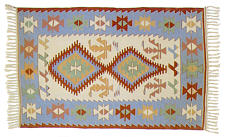
kilim
the term kilim refers to the actual weave technique rather than the geographic region that the rug comes from. kilims are a pileless carpet woven using the slit-tapestry technique. this technique makes the rug very durable and lightweight.
kilims are often woven in wide variety of simple geometric designs with bright colors by nomadic tribes in turkey and iran.
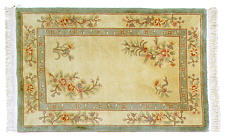
chinese
the peoples republic of china (p.r.o.c.), also know as mainland china, produces chinese rugs. these rugs are of the utmost quality and are made in a variety of colors.
today, chinese rugs account for more than 70% of rugs sold worldwide. they are made with sculptured or persian designs with colors that match and designs that represent each unique region and continent. chinese rugs represent the best value for those on a smaller budget.
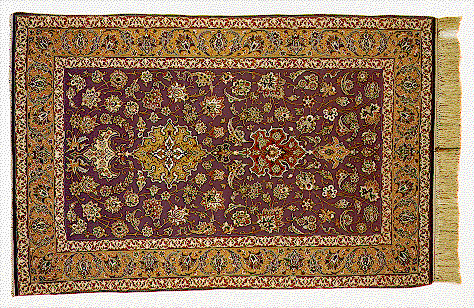
isfahan
in the sixteen century, shah abbas, the great patron of building and art, founded the famous workshops of the isfahan. named after "jaipur", capital of rajasthan state, and known for its beauty, the city is unique in its straight-line planning. its buildings are predominantly rose-colored.
for centuries, isfahan rugs have been treasured both in the east and in europe. they are still beautifully worked with densely and firmly knotted foundations with more than 800 knots per square inch. most carpets of this variety have been produced since world war ii.
they are adorned with red or beige red or beige, colorful designs, and elegant floral patterns with animals sometimes included within the patterns.